Historical & Cultural Sites
Discover Ethiopia
Lalibela Rock-Hewn Churches
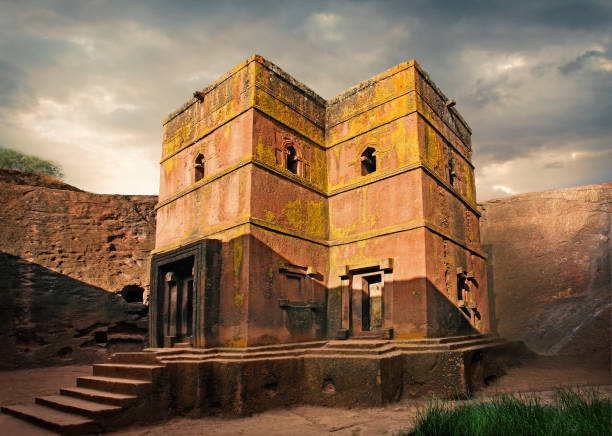
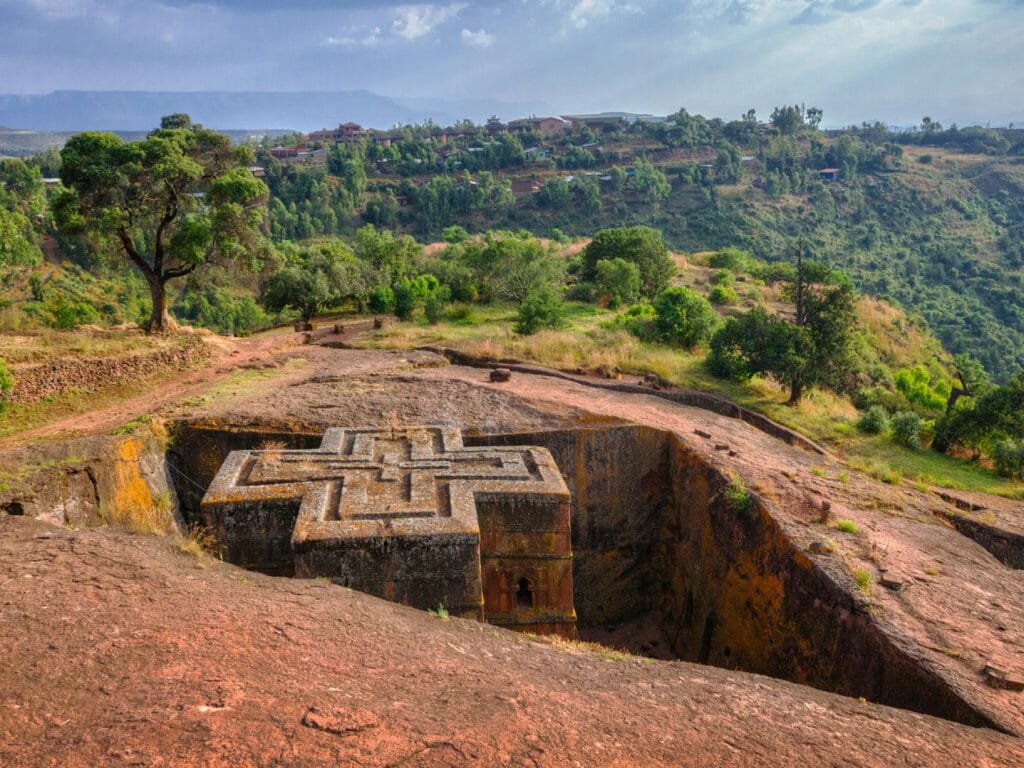
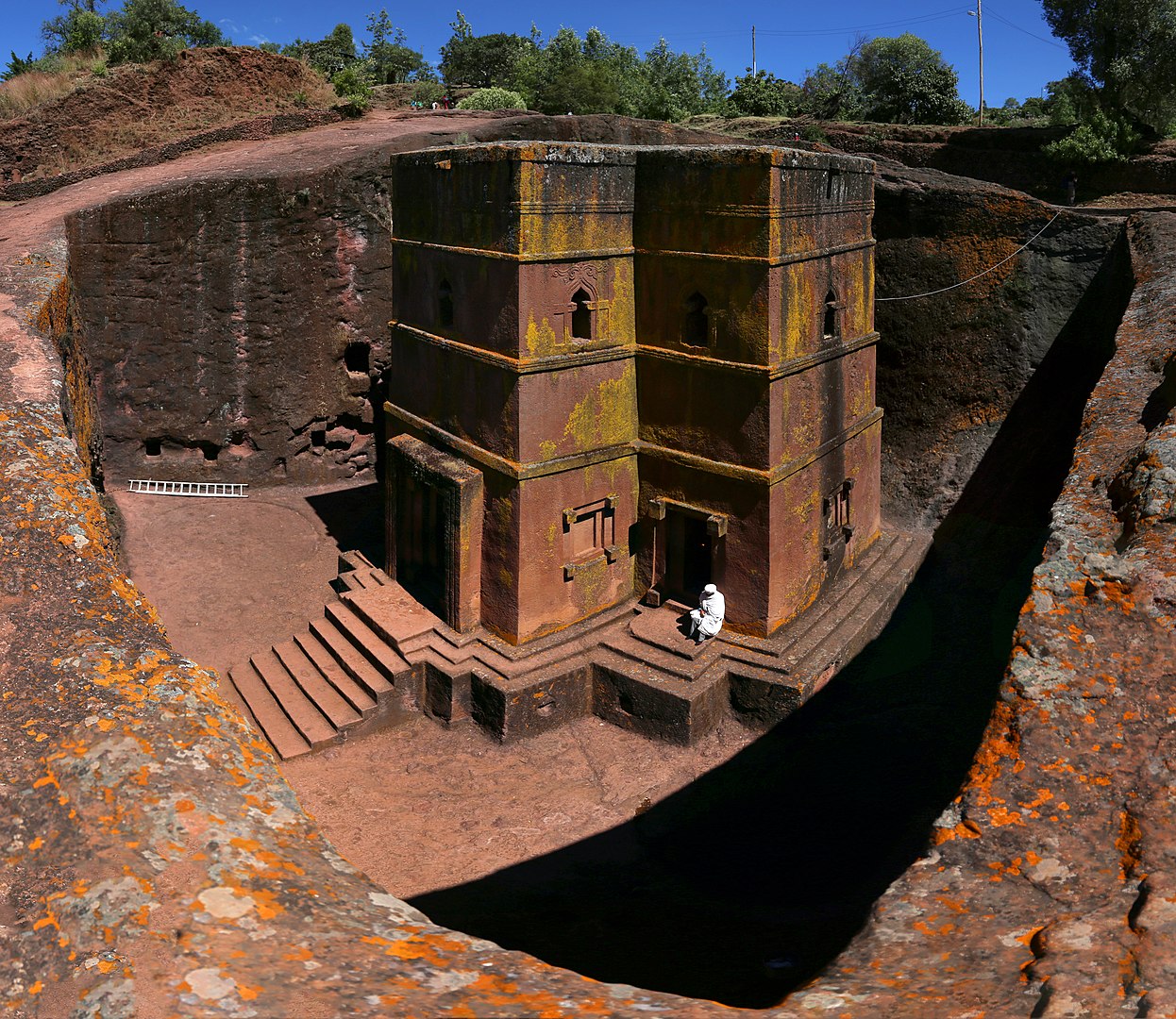
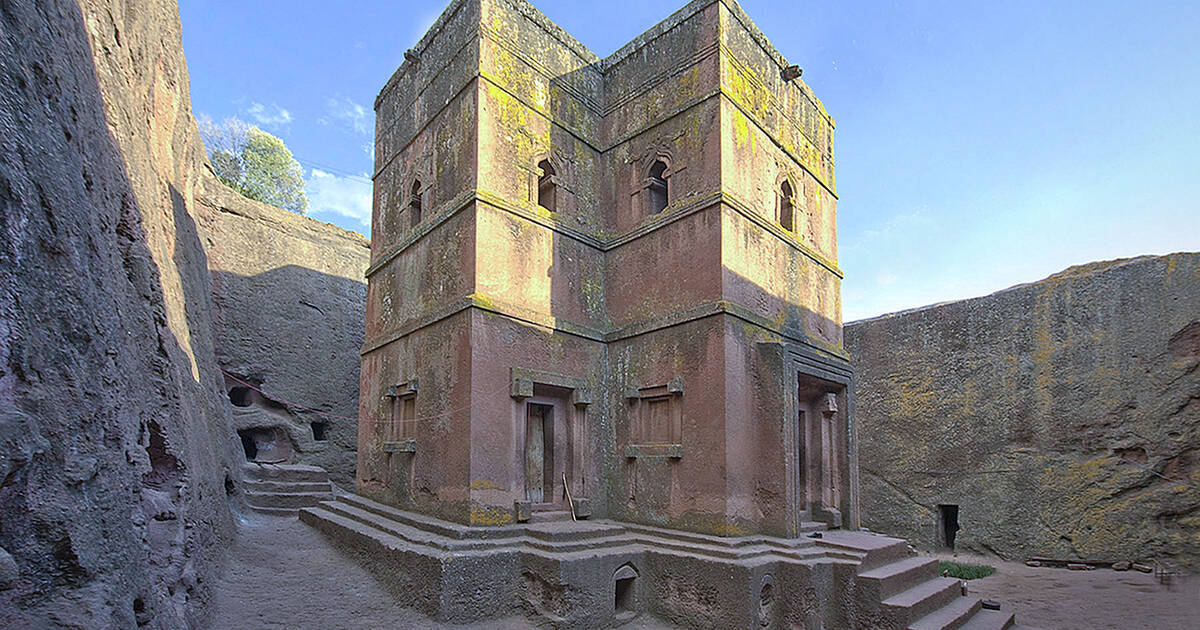
The Lalibela Rock-Hewn Churches are one of Ethiopia’s most remarkable historical and spiritual landmarks, located in the northern highlands and carved directly into solid volcanic rock during the late 12th and early 13th centuries under King Lalibela of the Zagwe dynasty. Comprising 11 monolithic churches, this UNESCO World Heritage Site showcases extraordinary engineering, where entire structures—walls, roofs, windows, and interiors—were sculpted from a single rock mass rather than built with assembled stones. The churches are linked by symbolic tunnels and trenches, with highlights such as Bete Medhane Alem, the largest rock-hewn church in the world, and the iconic cross-shaped Bete Giyorgis (Church of St. George). Still actively used for worship, Lalibela remains a living center of Ethiopian Orthodox Christianity, attracting pilgrims and visitors who come to experience its deep religious significance, ancient art, and timeless cultural heritage.
Axum Obelisks and Ancient Ruins
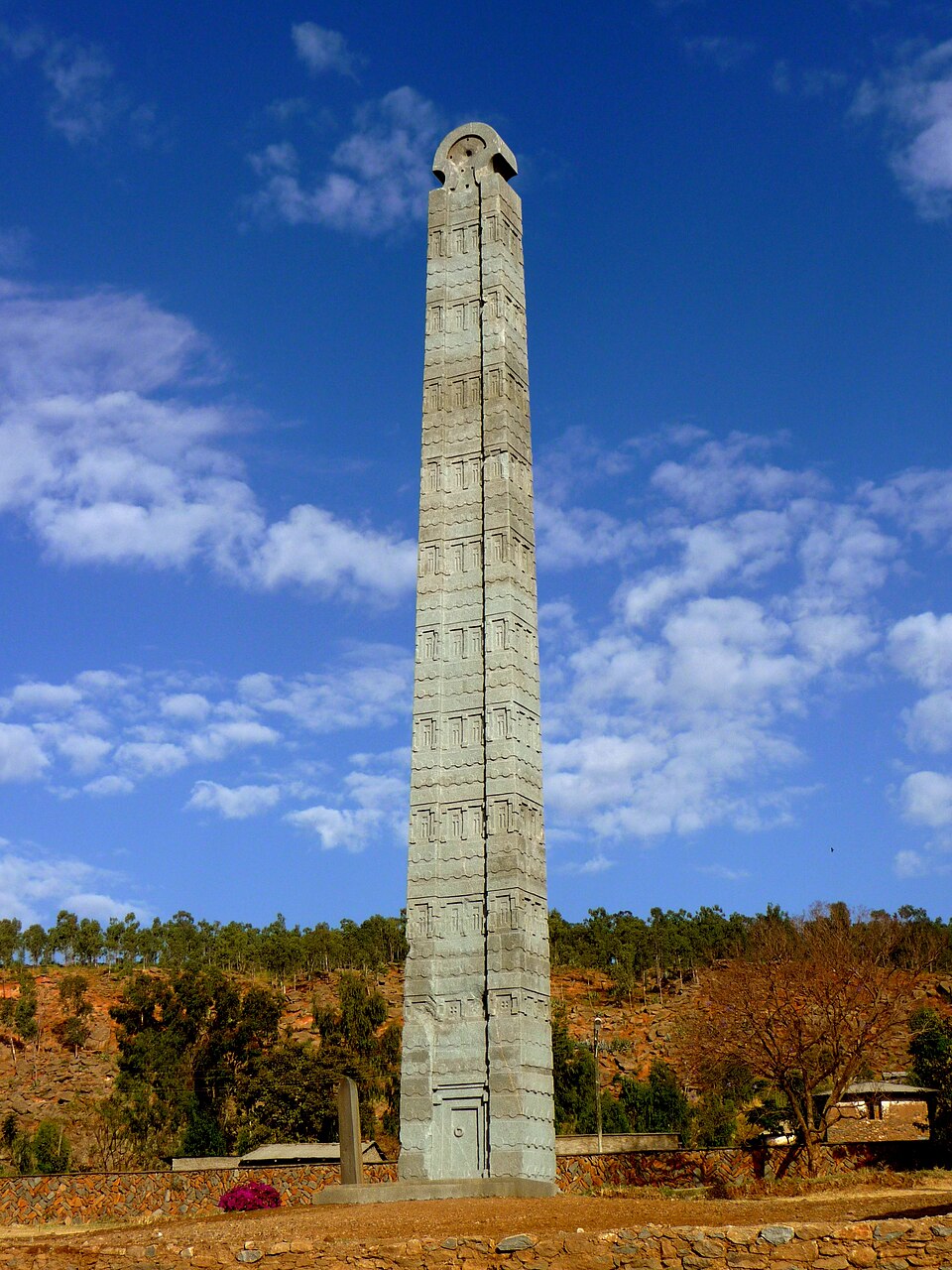
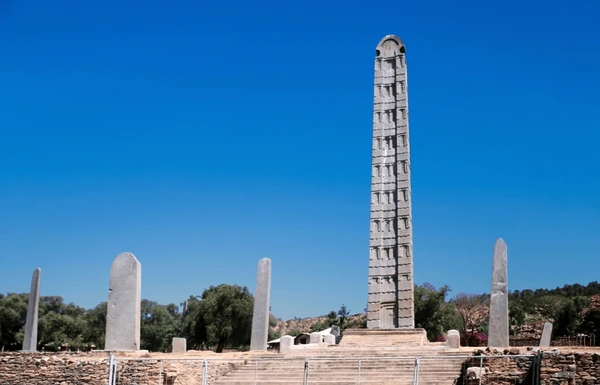
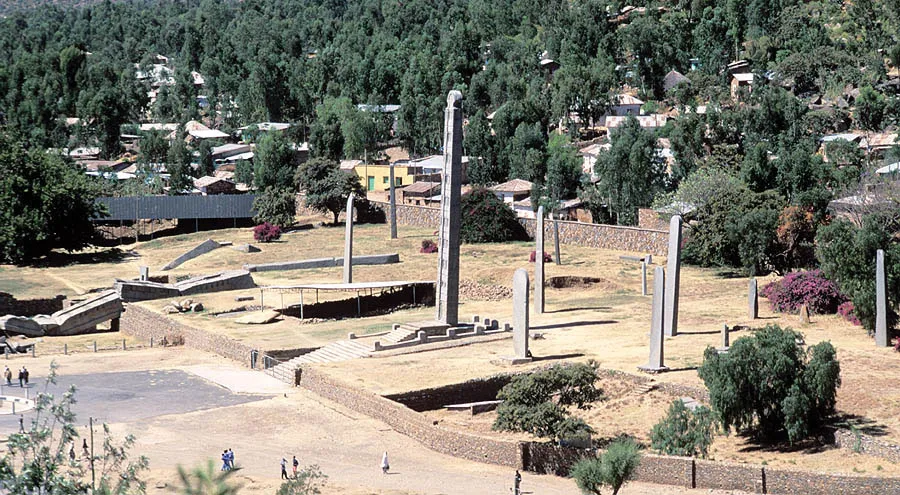
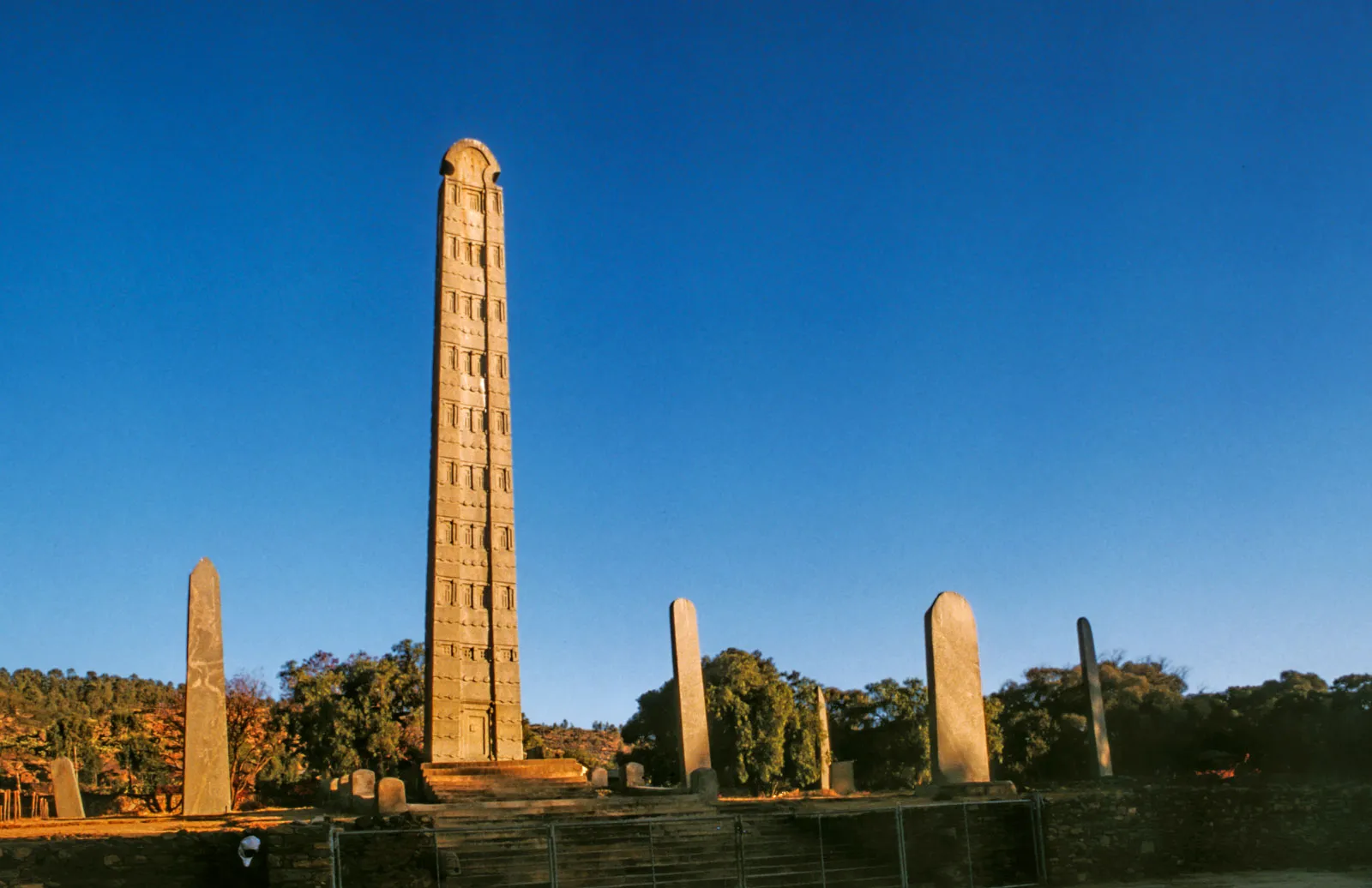
Axum Obelisks and Ancient Ruins represent the heart of one of Africa’s greatest ancient civilizations, the Aksumite Empire, which flourished between the 1st and 7th centuries AD in northern Ethiopia. The site is famous for its towering granite stelae (obelisks), some rising over 20 meters, carved to resemble multi-story buildings and believed to mark royal tombs. Surrounding the stelae are extensive ruins of palaces, royal tombs, inscriptions, and early Christian churches, reflecting Axum’s role as a major political, religious, and trade center connecting Africa, the Middle East, and the Mediterranean world. Recognized as a UNESCO World Heritage Site, Axum is also revered as the spiritual home of Ethiopian Christianity, traditionally believed to house the Ark of the Covenant, making the city a powerful blend of archaeological importance, living faith, and enduring historical legacy.
Fasil Ghebbi (Gondar Castles)
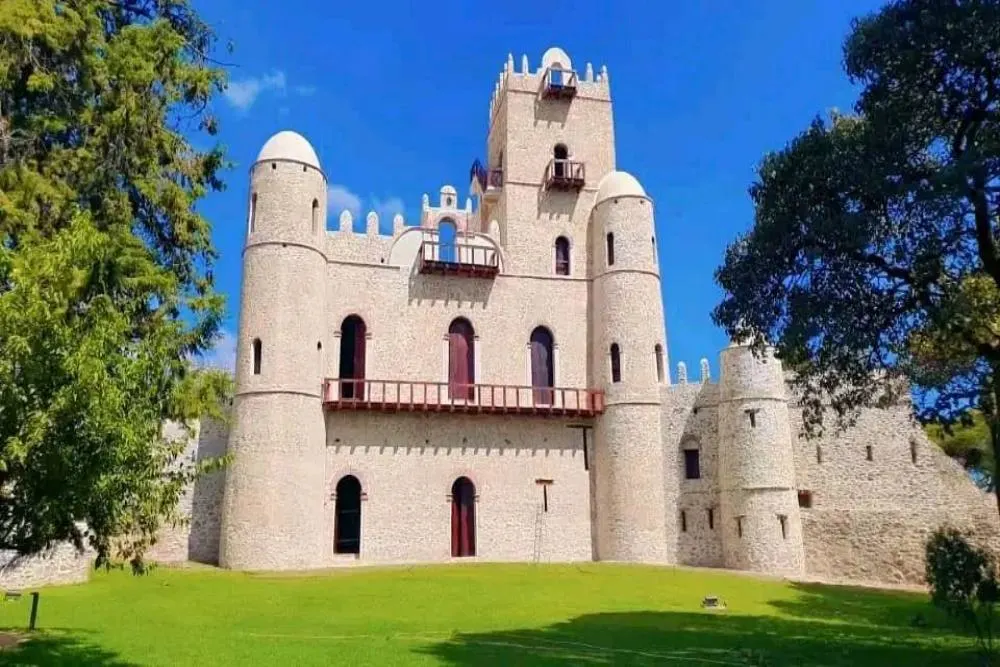
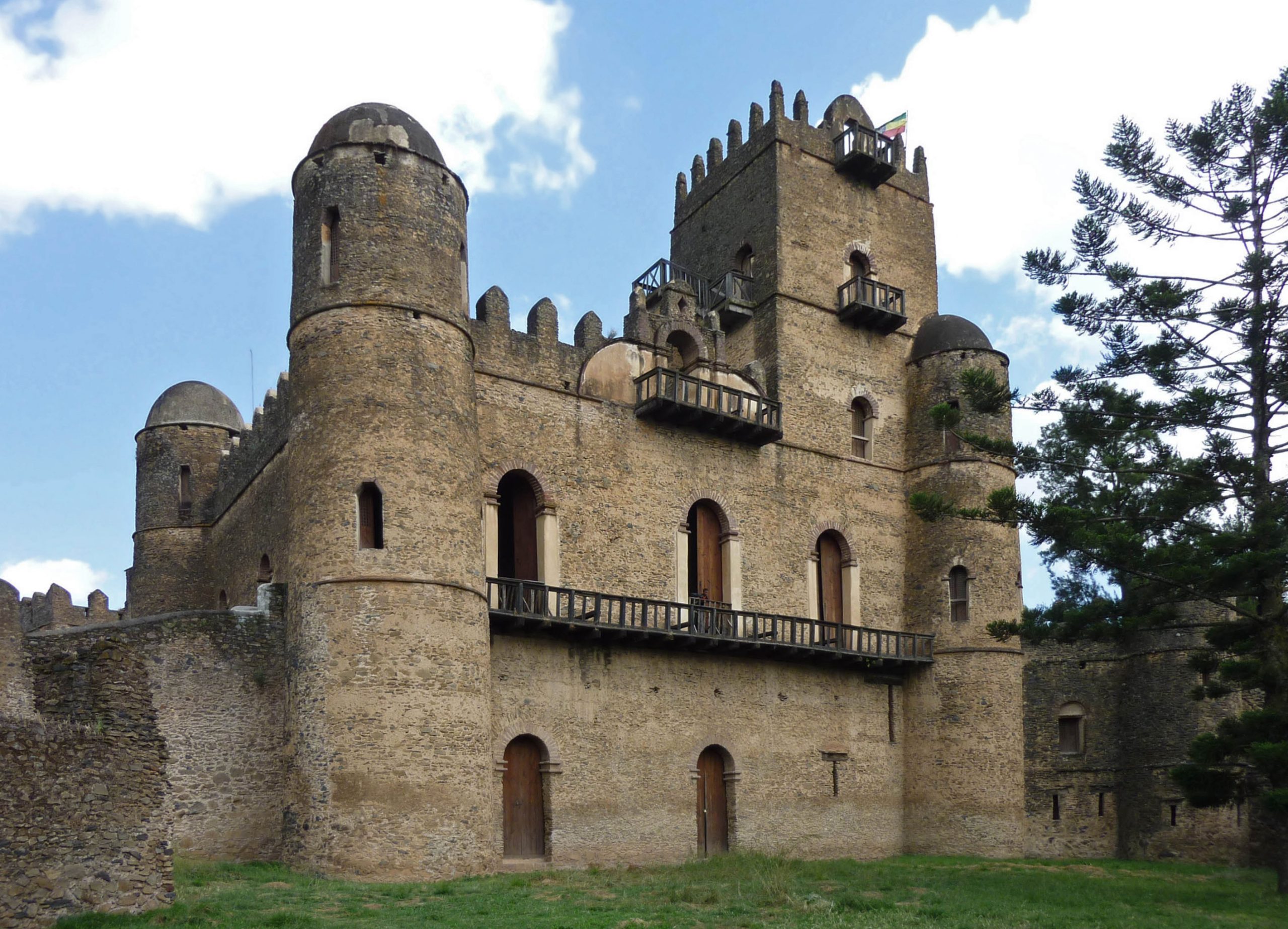
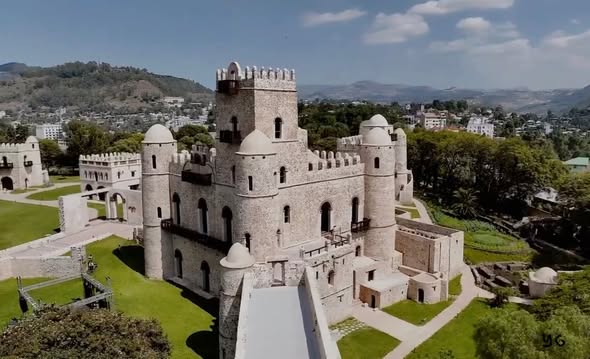
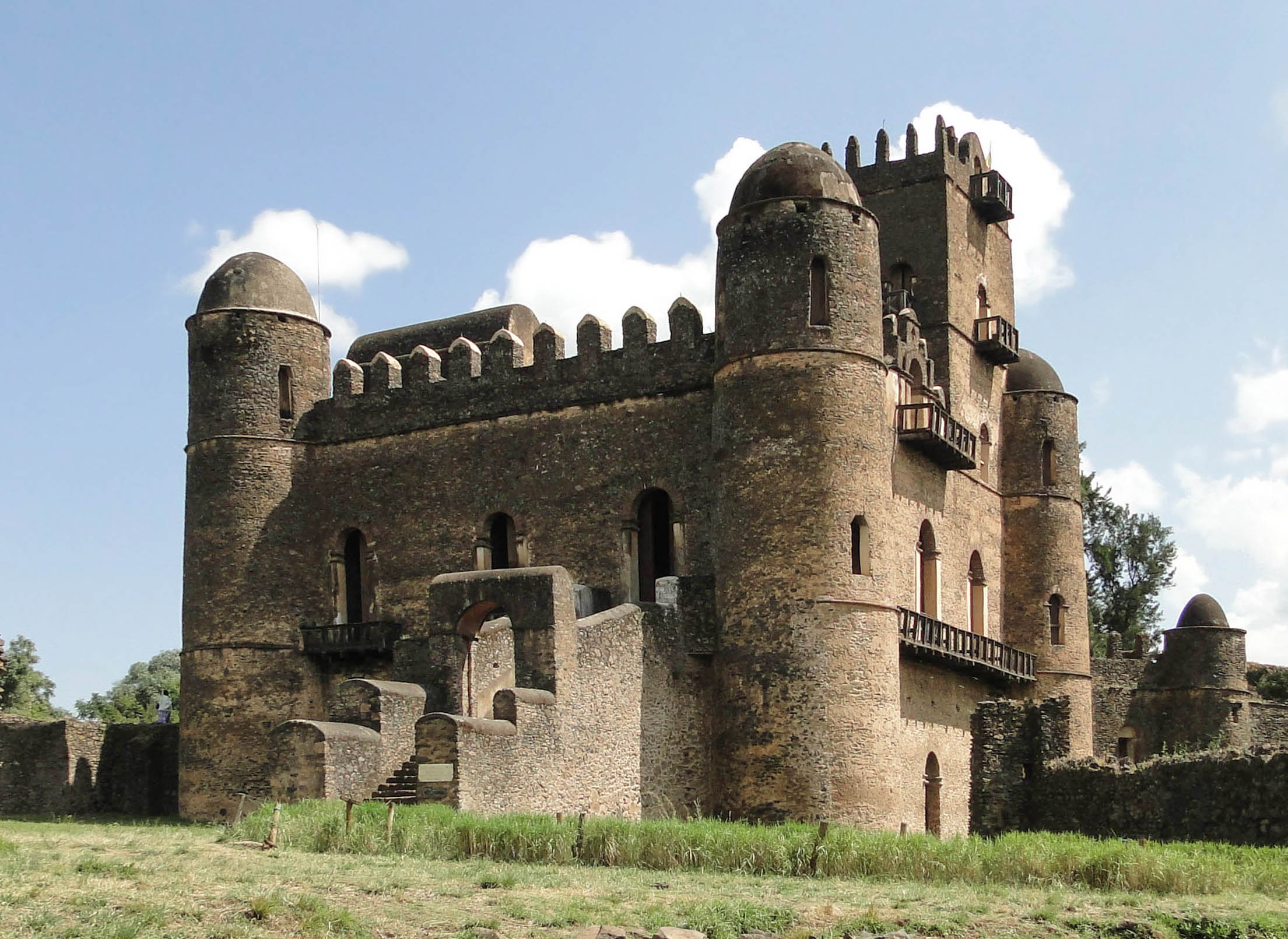
Fasil Ghebbi (Gondar Castles) is a remarkable royal enclosure in the city of Gondar, northern Ethiopia, showcasing a unique blend of Ethiopian, Portuguese, Indian, and Arab architectural influences. Built in the 17th century beginning with Emperor Fasilides, the complex served as the seat of Ethiopian emperors for over two centuries and includes castles, palaces, churches, monasteries, and ceremonial halls surrounded by fortified stone walls. The most prominent structure, Fasilides’ Castle, stands as a symbol of imperial power with its massive towers and battlements. Recognized as a UNESCO World Heritage Site, Fasil Ghebbi reflects Ethiopia’s imperial history, medieval diplomacy, and artistic exchange, offering visitors a vivid insight into the country’s royal past and cultural sophistication.
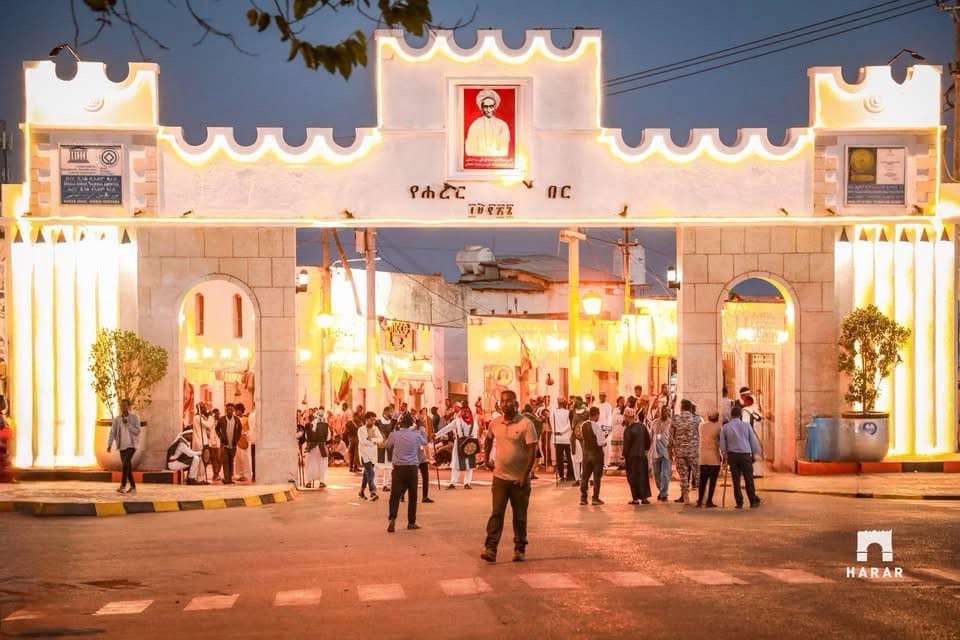
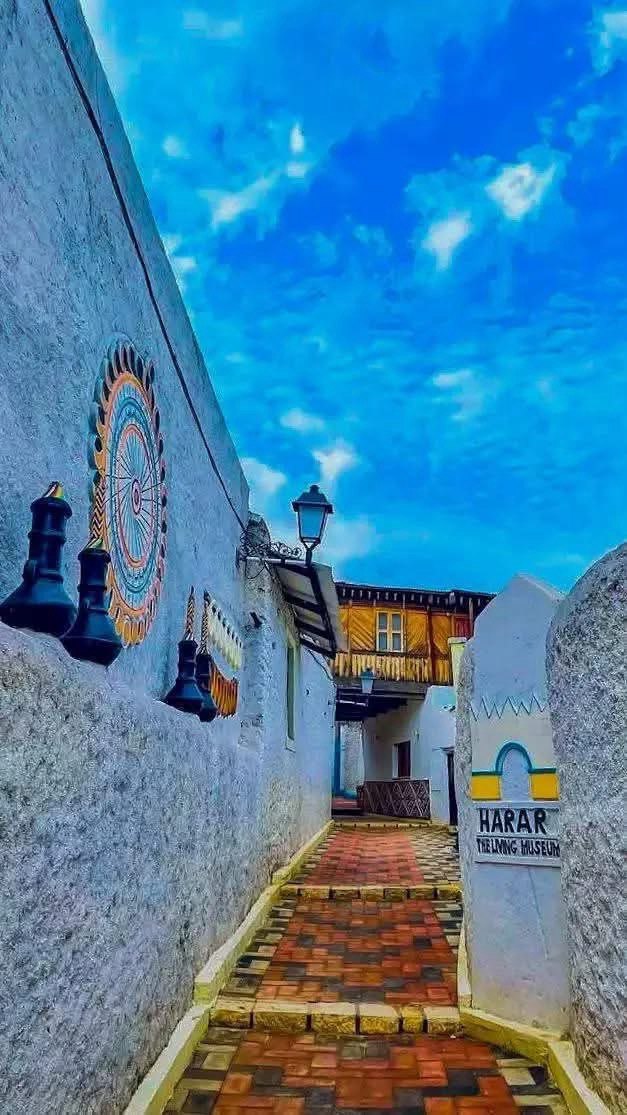
Harar Jugol (Old Walled City of Harar)
Fasil Ghebbi (Gondar Castles) is a remarkable royal enclosure in the city of Gondar, northern Ethiopia, showcasing a unique blend of Ethiopian, Portuguese, Indian, and Arab architectural influences. Built in the 17th century beginning with Emperor Fasilides, the complex served as the seat of Ethiopian emperors for over two centuries and includes castles, palaces, churches, monasteries, and ceremonial halls surrounded by fortified stone walls. The most prominent structure, Fasilides’ Castle, stands as a symbol of imperial power with its massive towers and battlements. Recognized as a UNESCO World Heritage Site, Fasil Ghebbi reflects Ethiopia’s imperial history, medieval diplomacy, and artistic exchange, offering visitors a vivid insight into the country’s royal past and cultural sophistication.
Debre Damo Monastery
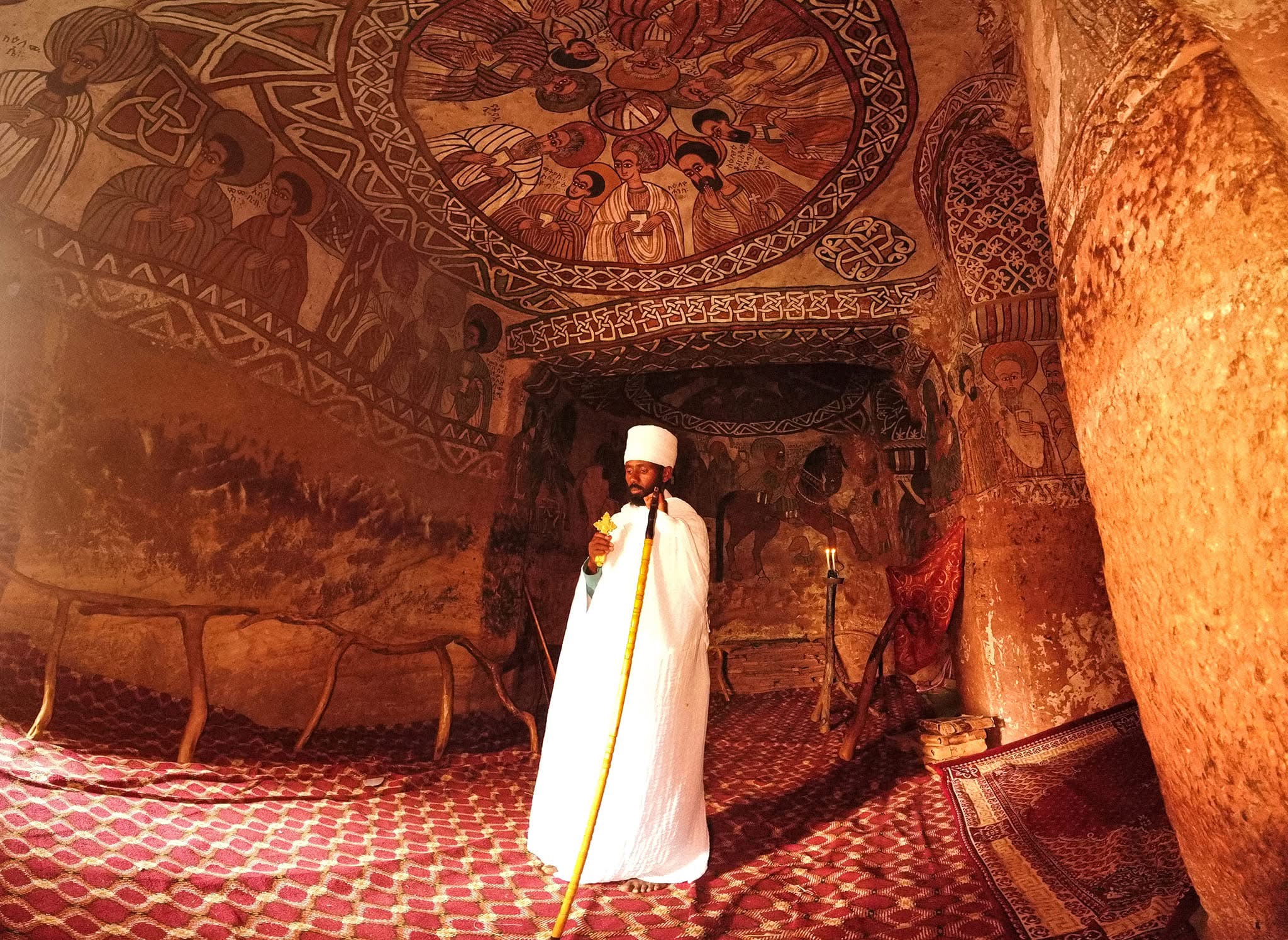
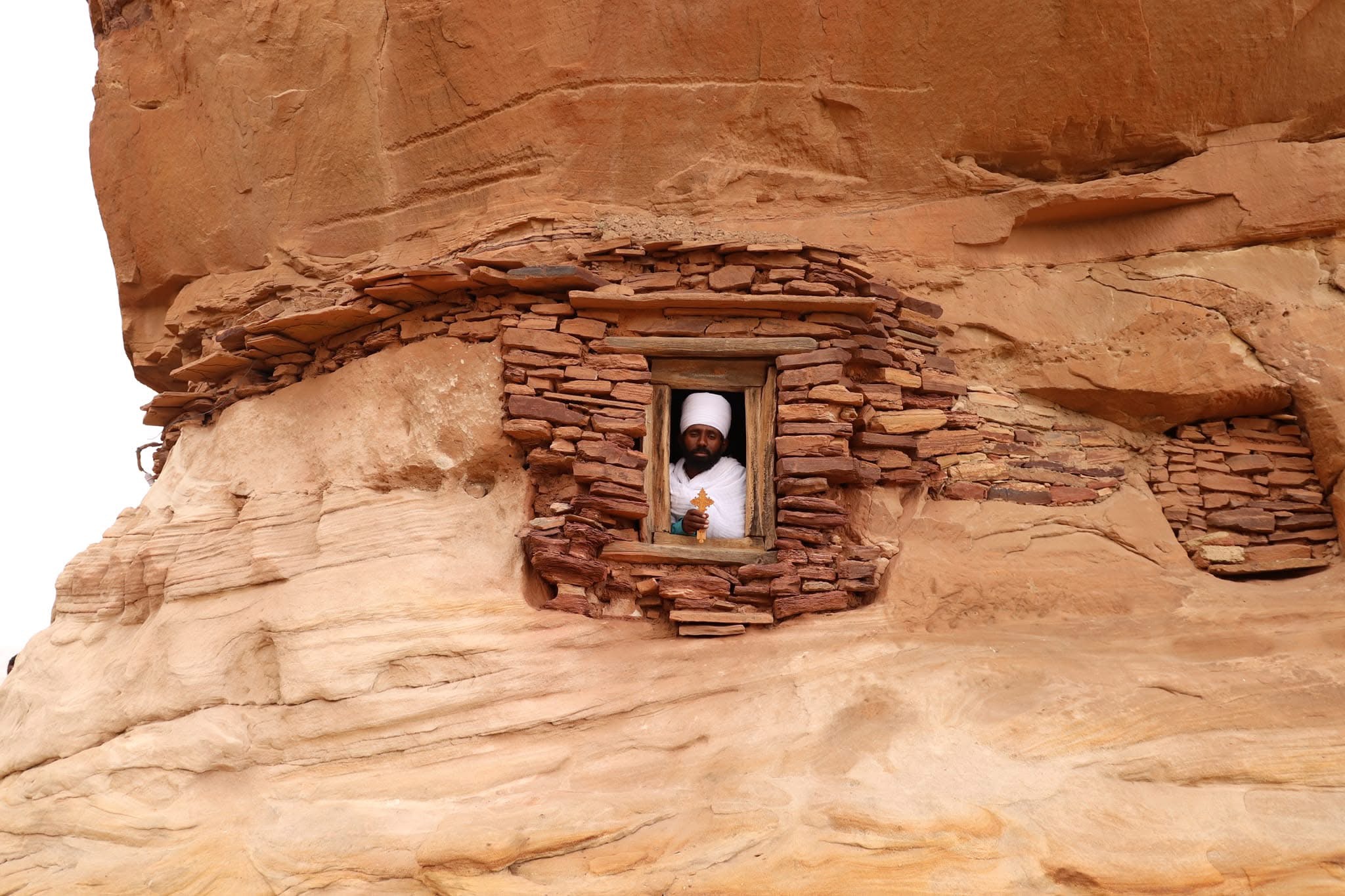
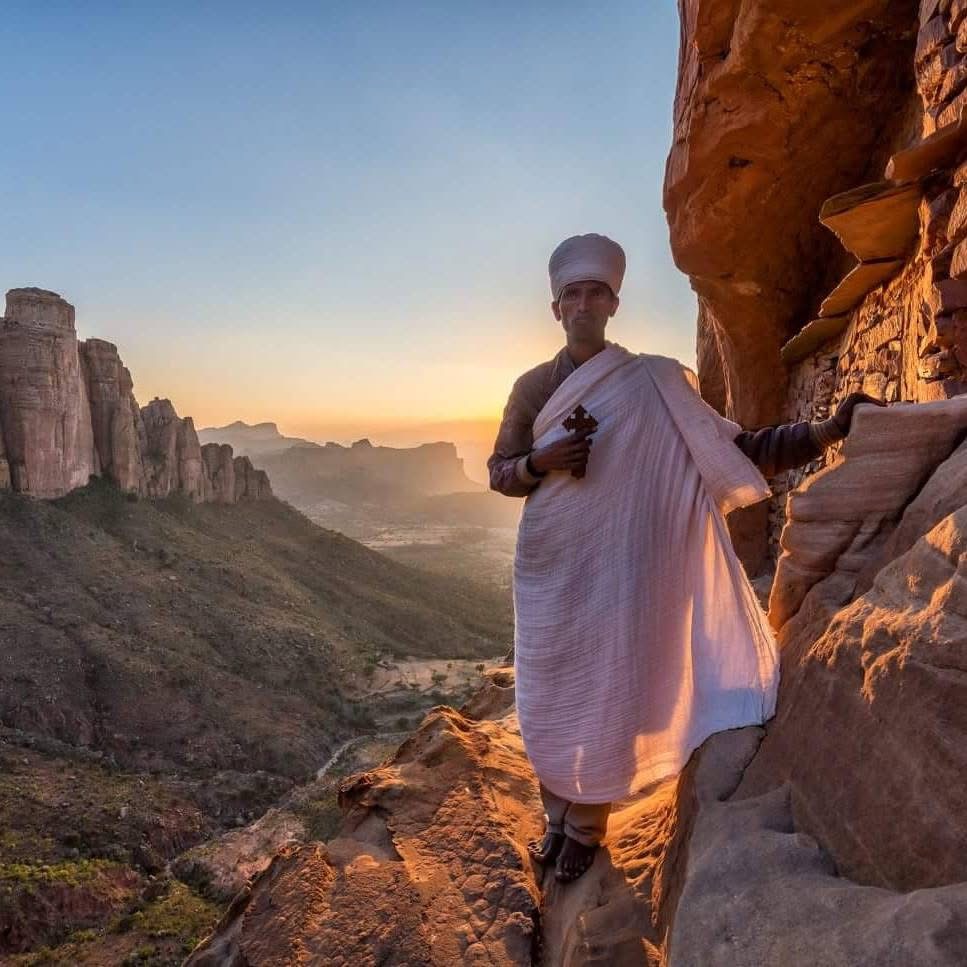
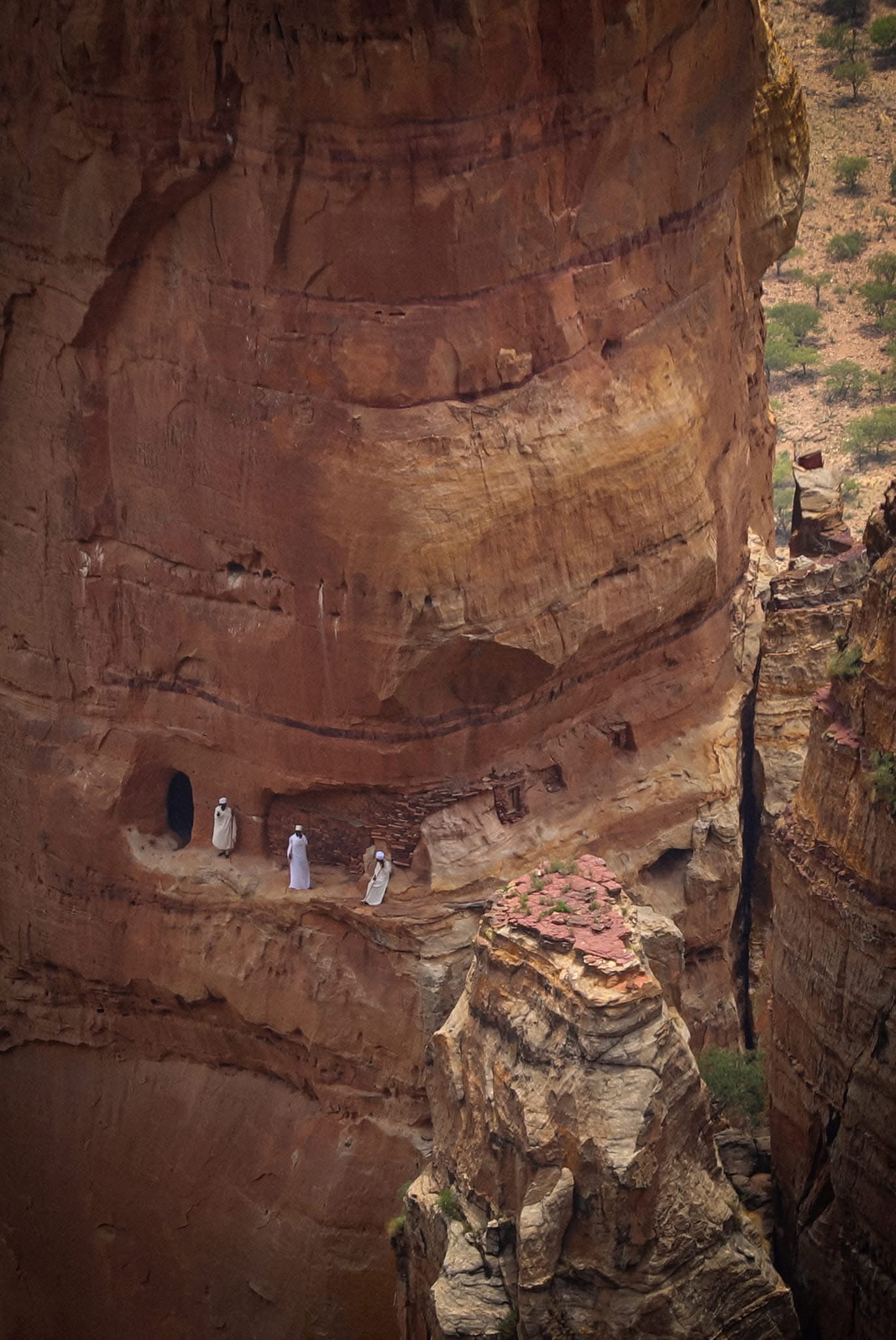
The Gheralta Mountains in Tigray, Ethiopia, house over 30 remarkable 4th-to-15th-century rock-hewn churches, famous for their dramatic clifftop locations, ancient frescoes, and challenging steep ascents. Key sites include:
- Abuna Yemata Guh Renowned for its exceptional location and artistry.
- Mariam Korkor Notable for stunning vistas.
- Daniel Korkor Offers beauty and spiritual significance.
These elements combine to create a unique hiking experience filled with breathtaking views and spiritual exploration.
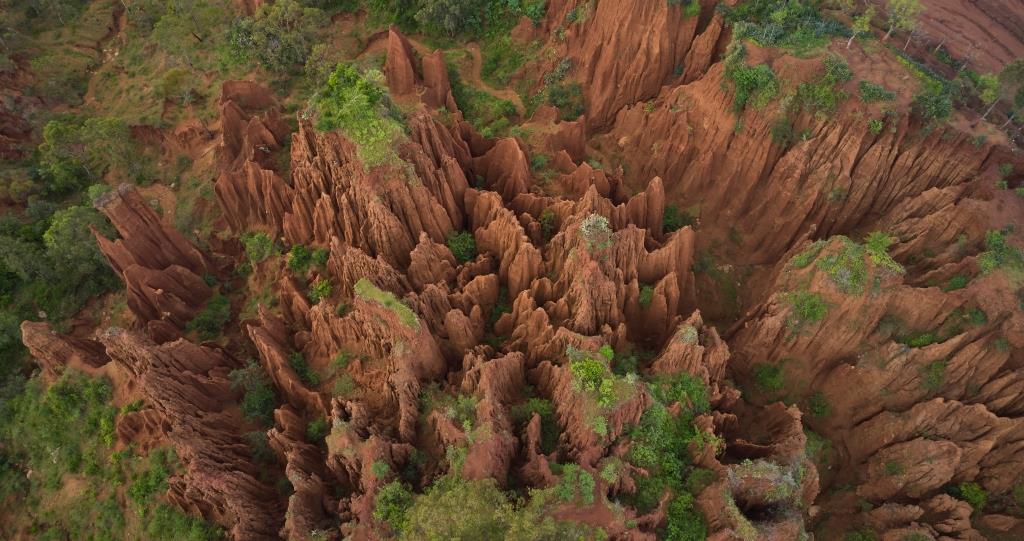
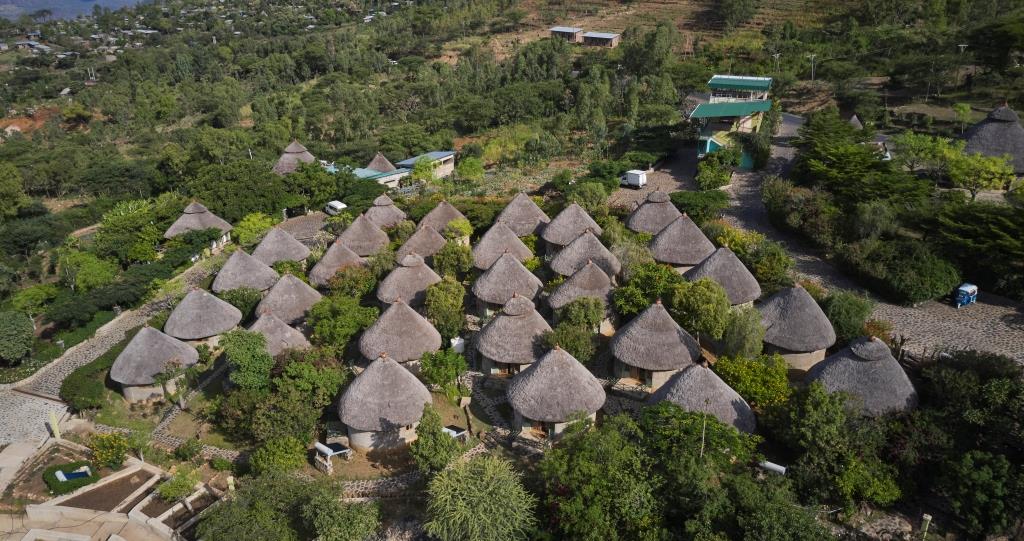
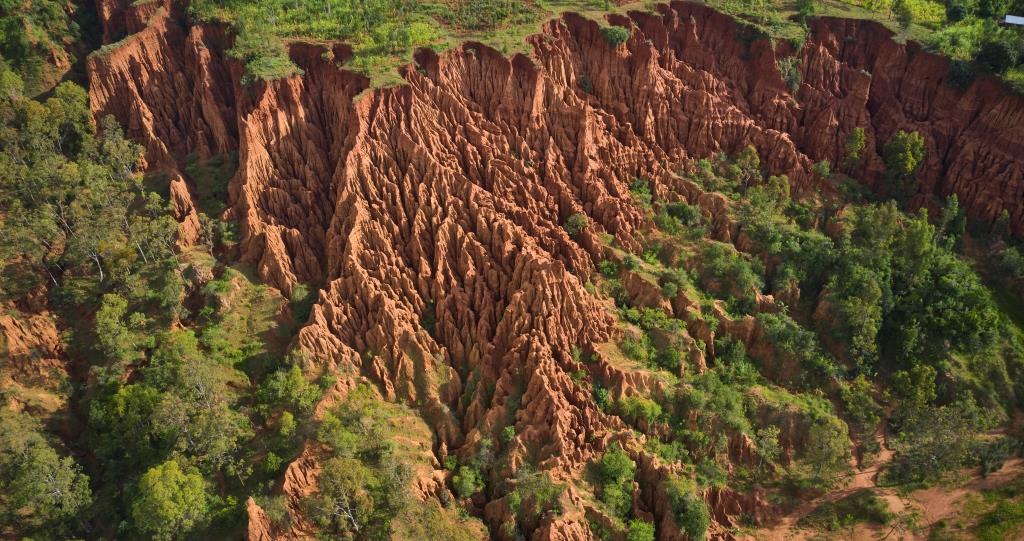
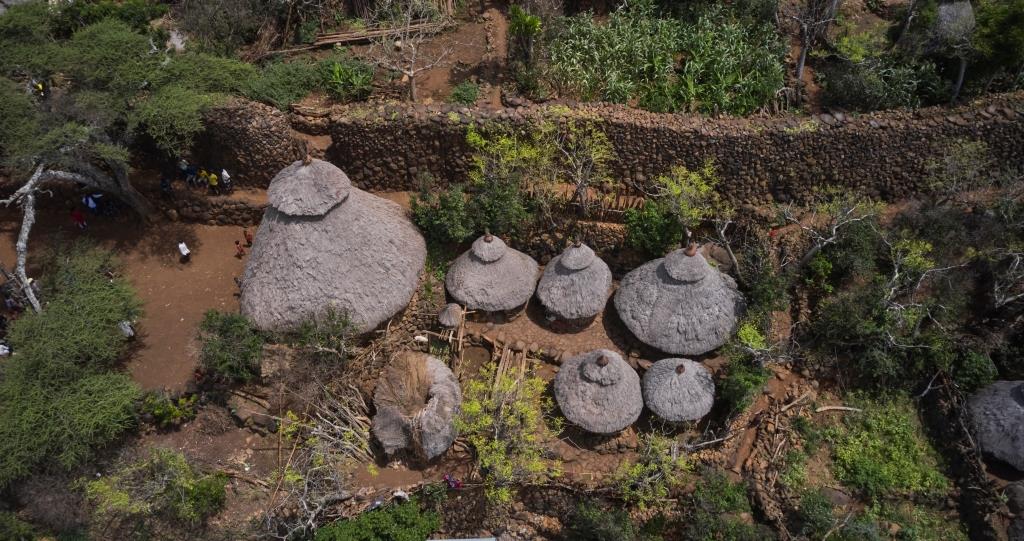
Konso Cultural Landscape (UNESCO)
Debre Damo Monastery is one of Ethiopia’s oldest and most sacred Christian sites, dramatically located atop a flat-topped mountain in northern Ethiopia’s Tigray region. Founded in the 6th century by Abune Aregawi, one of the Nine Saints, the monastery is accessible only by climbing a sheer cliff using a leather rope, a tradition that has remained unchanged for centuries. The complex is renowned for its ancient church built in the Aksumite architectural style, as well as its priceless collection of early Christian manuscripts and religious artifacts. Still an active monastic community and traditionally open only to men, Debre Damo stands as a powerful symbol of spiritual devotion, isolation, and the deep historical roots of Ethiopian Orthodox Christianity.
𝐃𝐢𝐫𝐫𝐞 𝐒𝐡𝐞𝐢𝐤𝐡 𝐇𝐮𝐬𝐬𝐞𝐢𝐧 (𝐀𝐧𝐚𝐣𝐢𝐧𝐚)
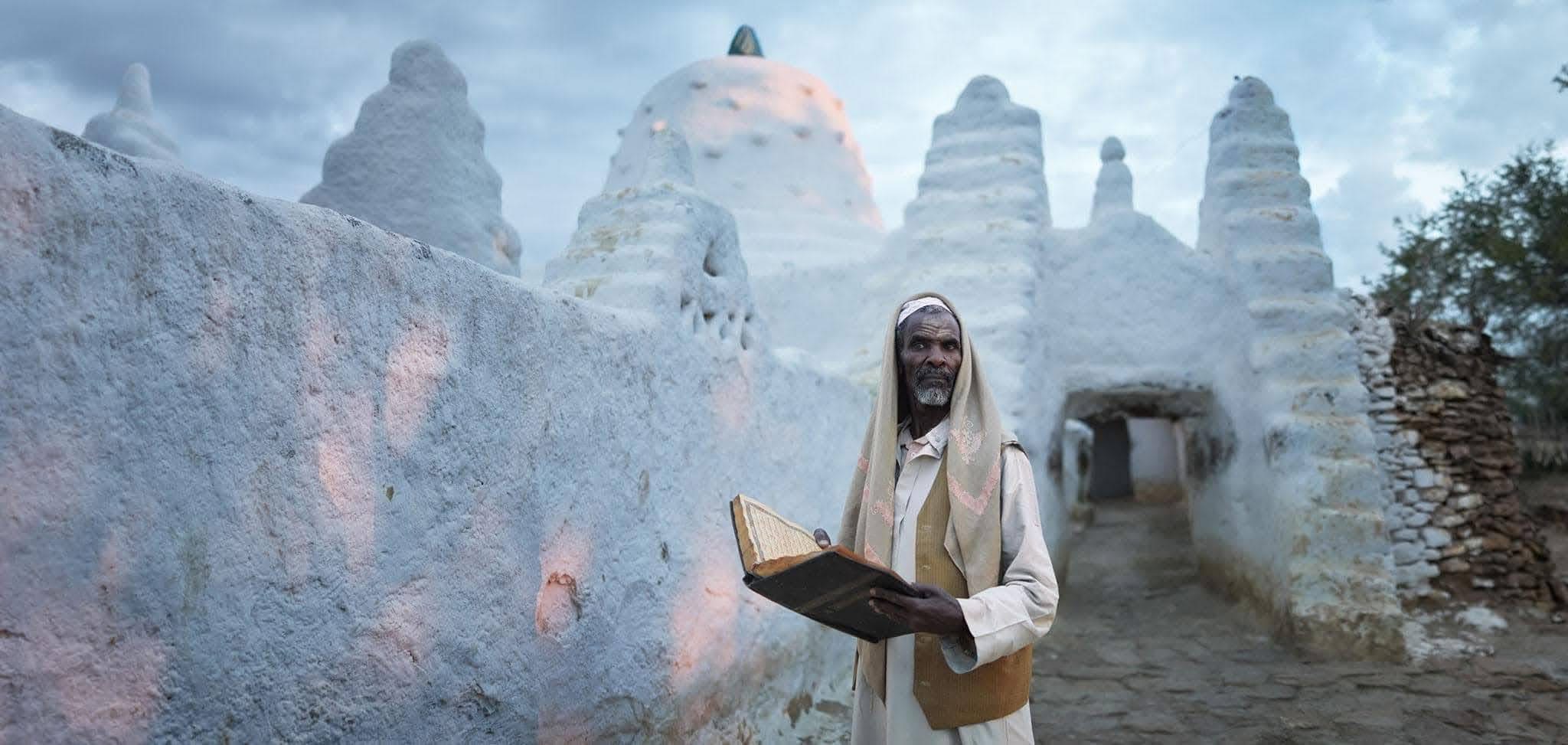
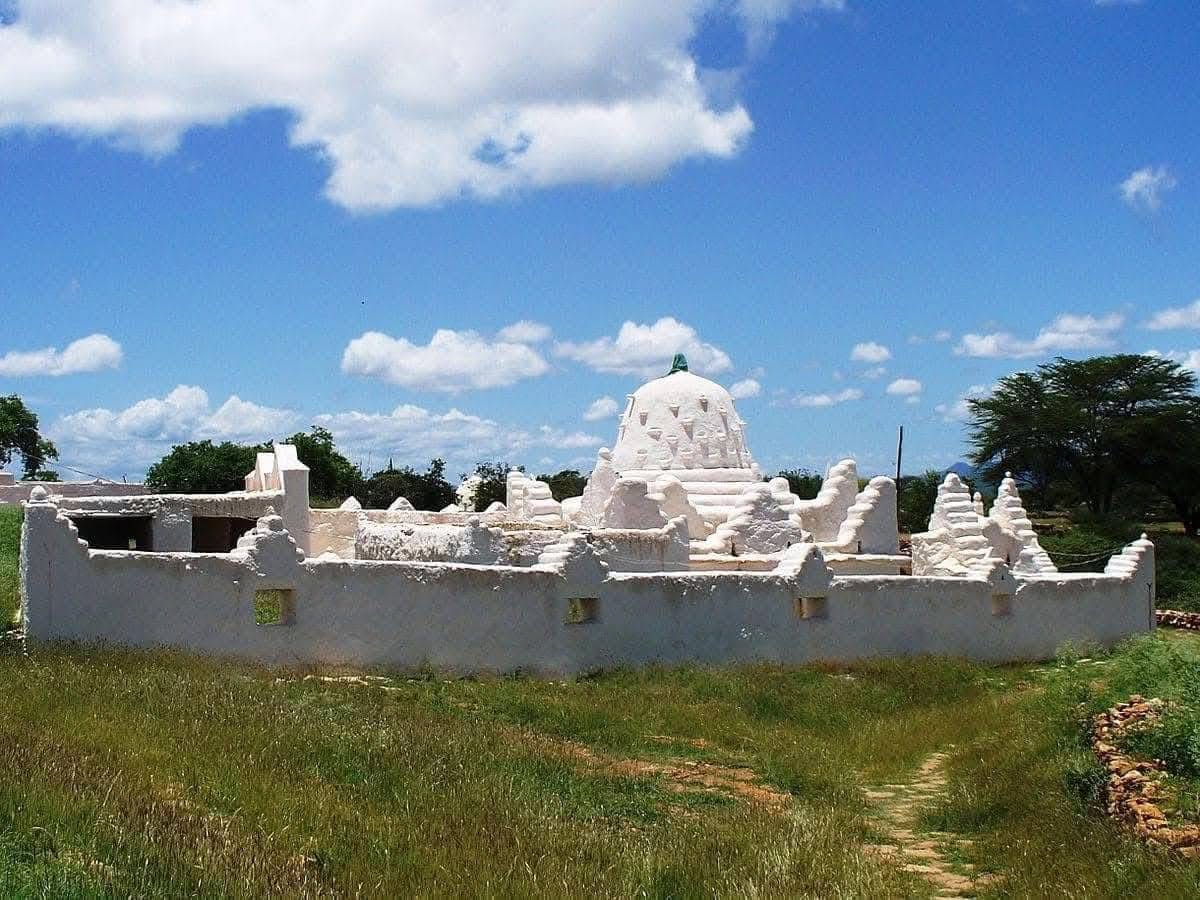
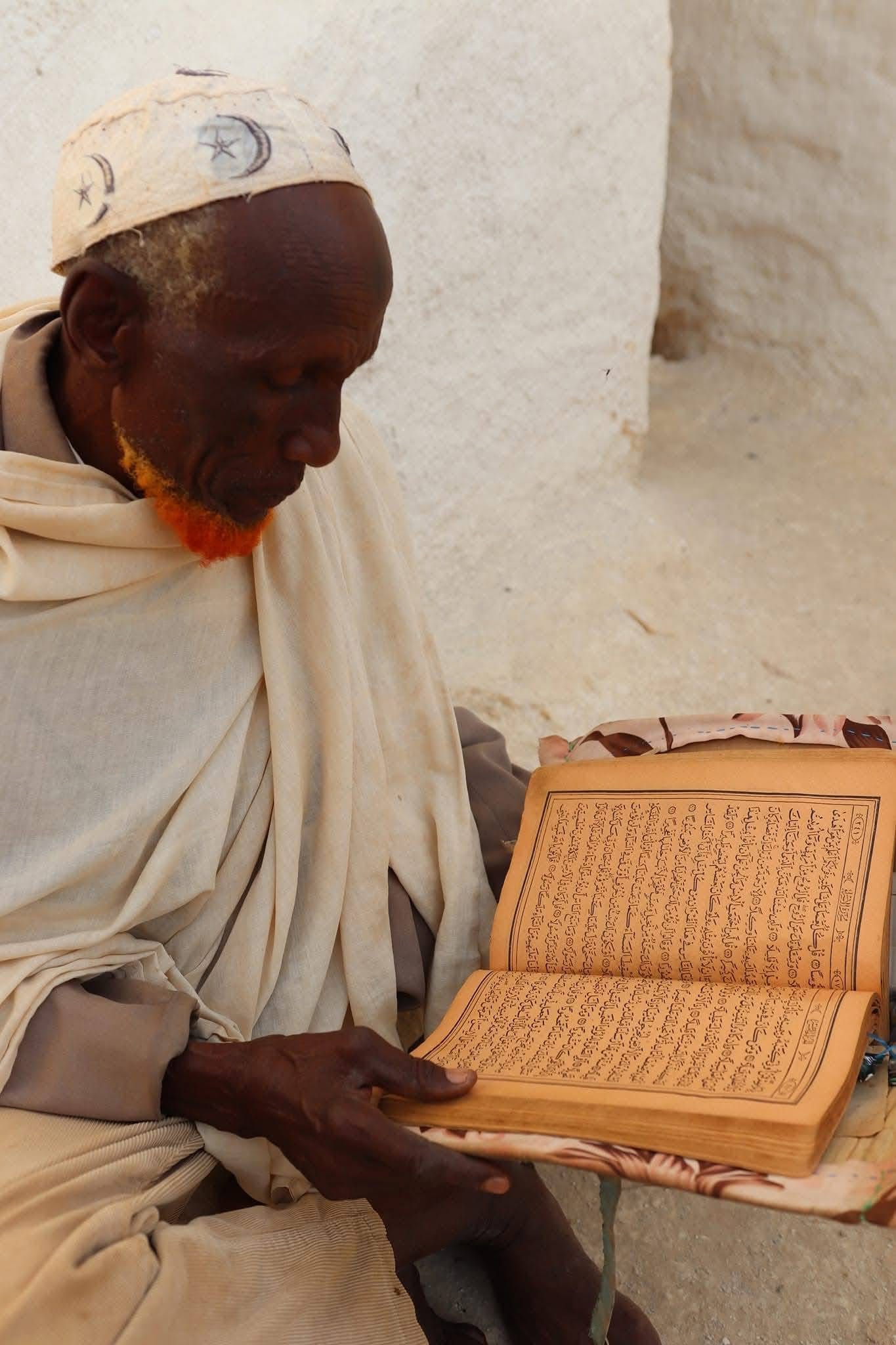
Dirre Sheikh Hussein is one of Oromia’s most significant religious pilgrimage destinations. The sacred site is named after the revered Islamic scholar and spiritual leader Sheikh Nur Hussein bin Malka (also known as Sheikh Nur Hussein bin Ibrahim), widely known for his deep devotion, religious teachings, and the miracles attributed to him.
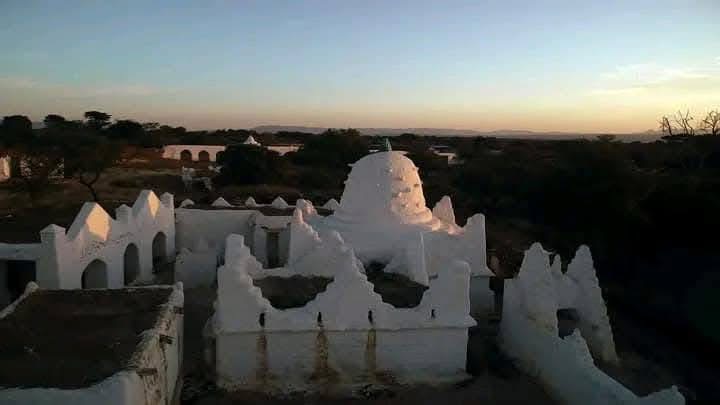
The site is distinguished by its striking white, conical domes that mark the shrines and mosques scattered across the area. With a history spanning over 900 years, Dirre Sheikh Hussein stands as a remarkable cultural and spiritual heritage site. Many of its structures were developed under the guidance of the pious figure Sheikh Muhammad Tilmo around 360 years ago.
Twice each year, the site becomes a vibrant center of faith, welcoming tens of thousands of pilgrims from across eastern, southern, and western Oromia, as well as other parts of Ethiopia. These gatherings reflect a powerful tradition of spiritual devotion and communal unity that has been preserved for centuries.
Dirre Sheikh Hussein warmly welcomes visitors all year round to experience its unique blend of culture, faith, and history.