Tribes & Cultural Experiences
Discover Ethiopia
Omo Valley Tribes (Hamar, Mursi, Karo, Dassanech, Arbore)
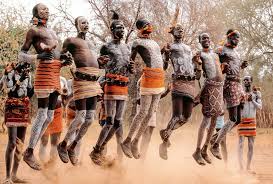
The Omo Valley in southern Ethiopia is home to a rich mosaic of indigenous tribes, each preserving ancient traditions, rituals, and ways of life. Tribes such as the Hamar are known for their elaborate body decorations and the bull-jumping initiation ceremony, while the Mursi women are famous for wearing lip plates as a sign of beauty and social status. The Karo tribe adorns themselves with intricate body painting, and the Dassanech and Arbore communities maintain distinctive cultural practices shaped by the riverine and pastoral lifestyle. Visiting the Omo Valley offers travelers an immersive experience into living traditions, vibrant festivals, and daily life in some of the most culturally preserved societies on Earth.
Konso People & Terraced Villages
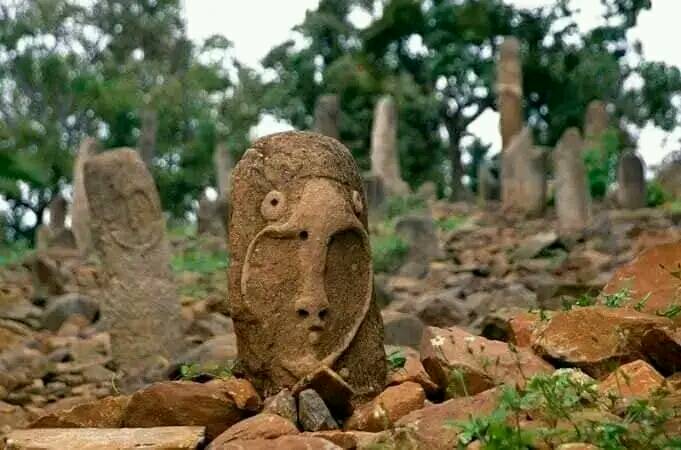
The Konso people of southern Ethiopia are renowned for their unique terraced landscapes, stone-walled villages, and impressive cultural resilience. The terraced hills, built over centuries, showcase advanced knowledge of soil conservation and sustainable agriculture in a semi-arid environment. Villages are adorned with carved wagas (memorial stelae), marking the lives of important community members, and the Konso maintain intricate social structures, traditional governance, and ritual ceremonies. Recognized as a UNESCO World Heritage Site, the Konso cultural landscapes represent both a living tradition and a remarkable example of human ingenuity in harmony with the environment.
Afar Cultural Experiences
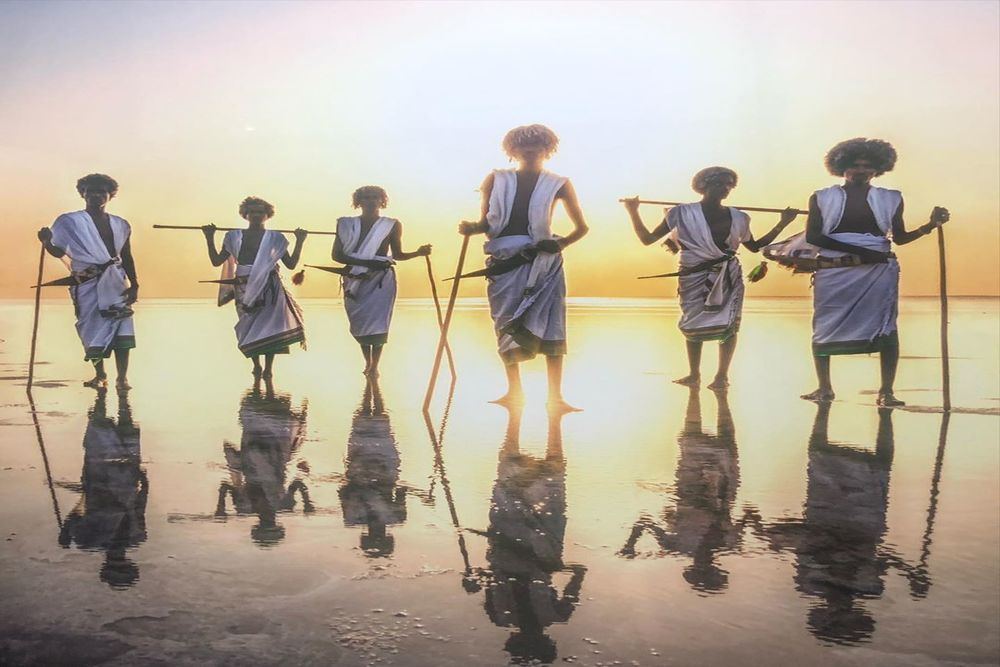
The Afar people inhabit the arid and volcanic regions of northeastern Ethiopia, including the Danakil Depression. Traditionally nomadic pastoralists, the Afar are known for their distinctive customs, colorful attire, and resilience in one of the harshest inhabited environments on Earth. Visitors can experience Afar life through guided interactions, witnessing salt mining practices, traditional huts, and ceremonies that have been passed down for generations. These cultural experiences offer deep insight into survival, adaptation, and the vibrant social life of a community deeply connected to their challenging environment.
Sidama Cultural Villages
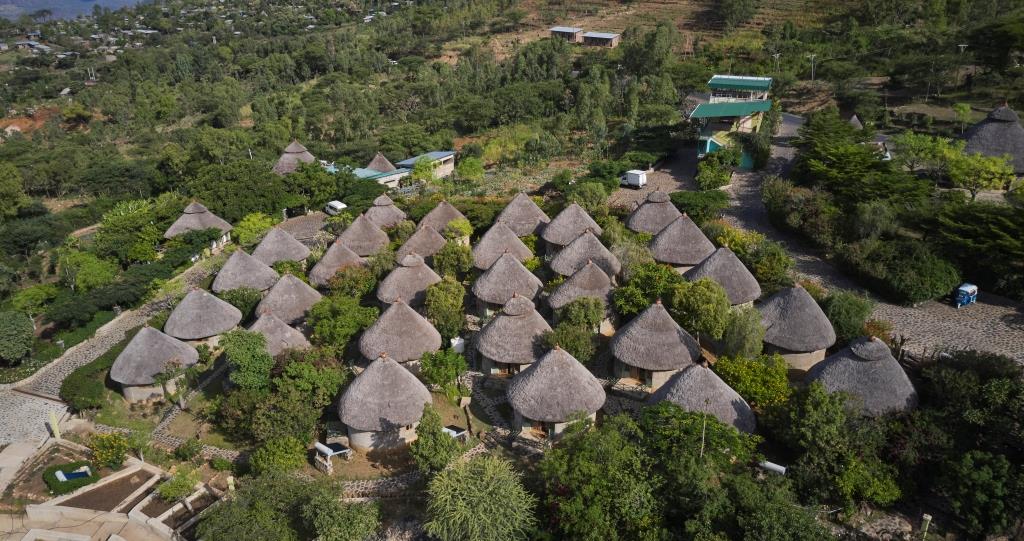
The Sidama people, located in the southern highlands of Ethiopia, are known for their coffee-growing expertise, traditional housing, and strong community structures. Sidama villages feature circular huts, vibrant textiles, and communal spaces for social gatherings. Coffee, a central part of Sidama culture, is celebrated through the traditional coffee ceremony, an immersive ritual of preparation, sharing, and storytelling. Visitors can engage with daily life, witness agricultural practices, and explore the rich folklore and music of the Sidama, gaining a meaningful understanding of Ethiopia’s southern cultural heritage.
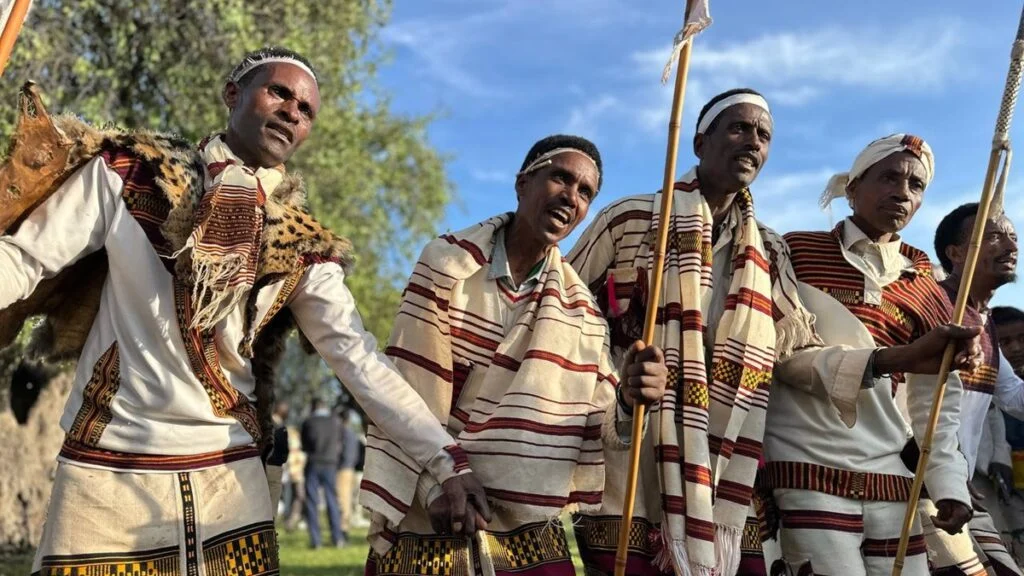
Gedeo Cultural Landscapes
The Gedeo people inhabit the highland regions near the Sidama Zone, and their territory is famous for sustainable agroforestry practices, particularly coffee cultivation under dense tree cover. This centuries-old system preserves biodiversity, enriches soil fertility, and sustains livelihoods in harmony with nature. Villages feature compact, circular housing clusters, community shrines, and elaborate ritual practices linked to land stewardship and ancestral reverence. Recognized for their cultural and ecological significance, the Gedeo landscapes provide a unique blend of human innovation, environmental stewardship, and vibrant living culture.