Ethiopia is widely known for its ancient civilizations, dramatic highlands, and cultural depth. Yet beyond the historic routes and archaeological treasures lies another side of the country — one that is quiet, refined, and increasingly sophisticated. Across crater lakes, monastery islands, Rift Valley shores, and elevated plateaus, a new generation of resorts has emerged, offering travelers an experience that combines Ethiopian authenticity with modern comfort.
Unlike many international destinations where luxury depends on artificial entertainment, Ethiopian luxury is built on atmosphere. Silence replaces noise. Nature replaces decoration. And culture replaces staged performance.
Below is a detailed look at several of the country’s most remarkable resorts — places designed not just for staying, but for disconnecting, reflecting, and experiencing Ethiopia in a slower, richer way.
Beynuna — Minimalism, Privacy, and Panoramic Calm
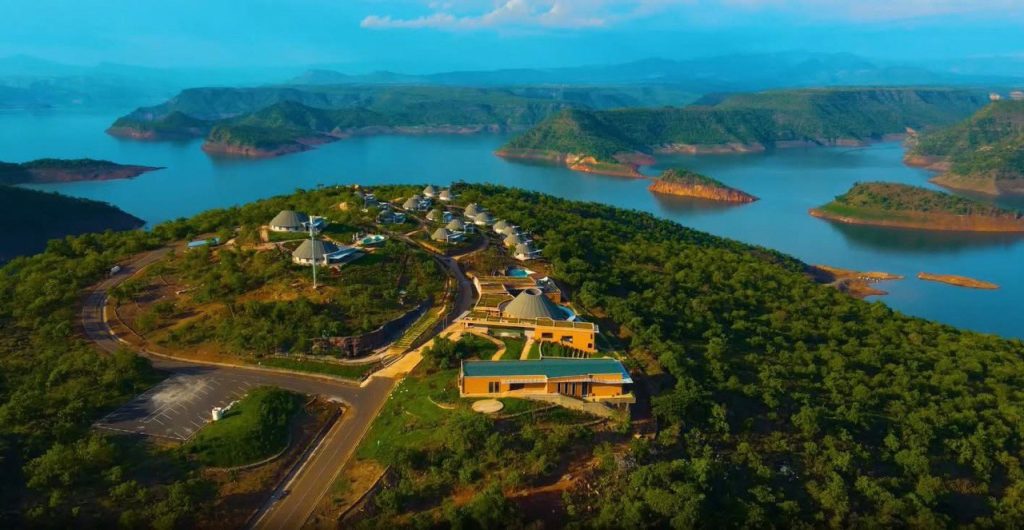
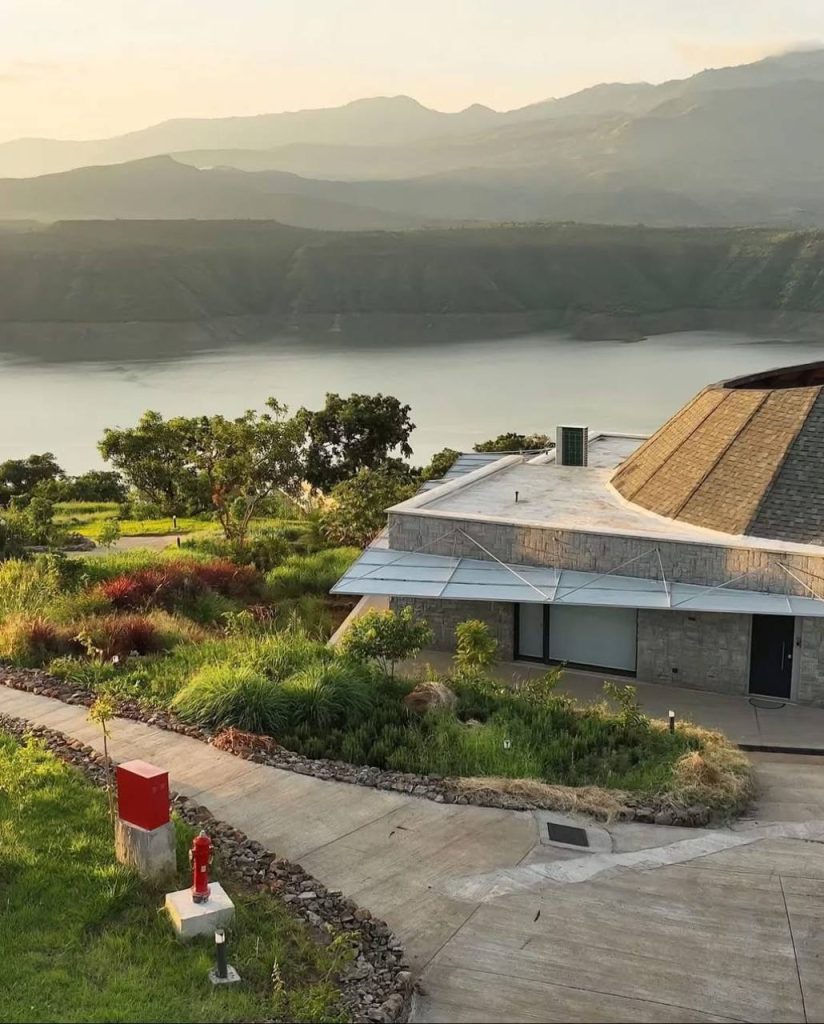
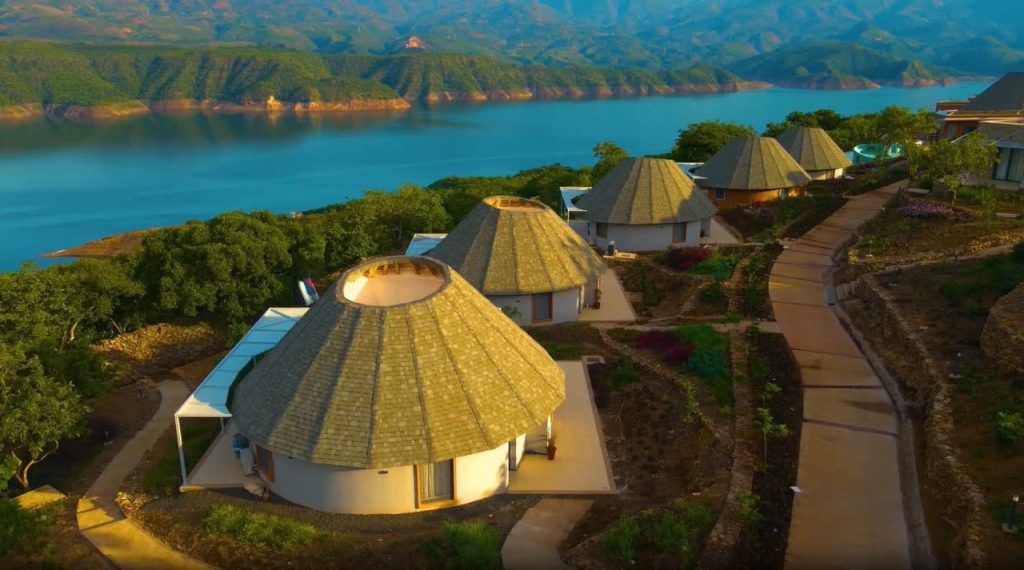
Beynuna stands out as a retreat built around serenity rather than activity. The property is designed to blend into its surroundings rather than dominate them. Architecture remains understated, allowing open skies and distant horizons to become the true visual focus.
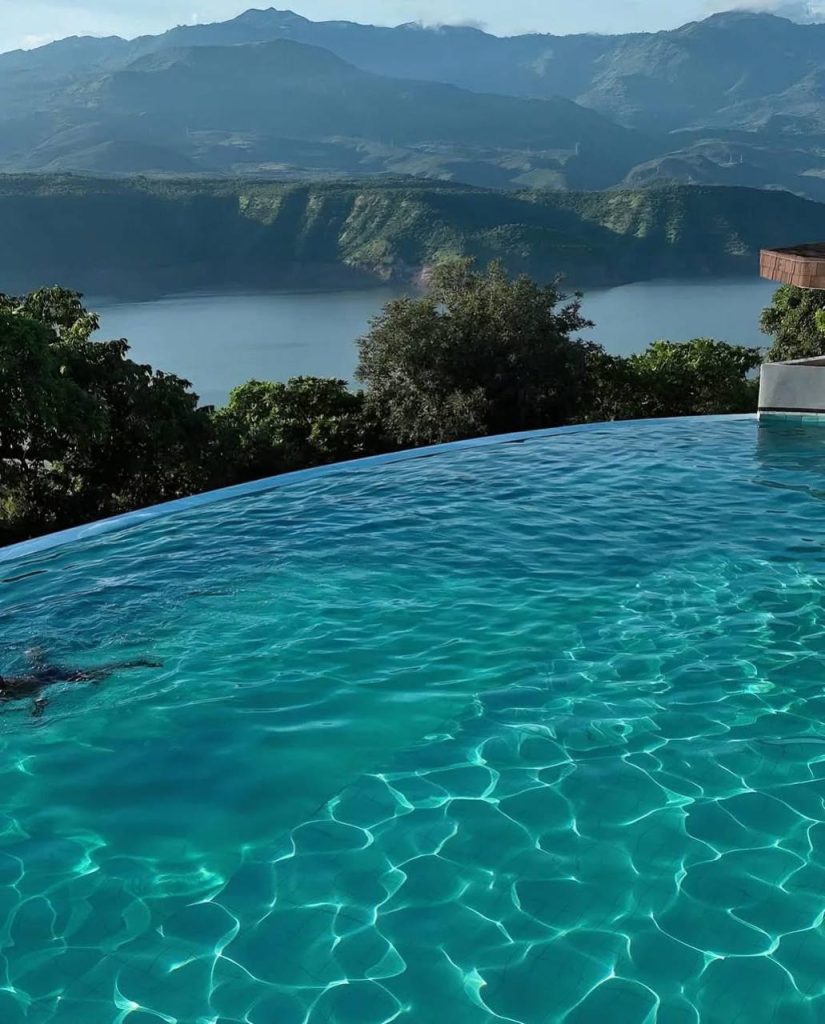
Guests here often describe the experience less as a hotel stay and more as a personal sanctuary. Mornings begin with mist rising over hills, afternoons pass quietly on terraces, and evenings conclude under expansive star-filled skies rarely visible from urban areas.
There is very little pressure to “do” anything. The environment itself becomes the activity — ideal for reflection, creative thinking, remote work retreats, or simply recovering from city life.
Best suited for: privacy seekers, writers, couples, and professionals needing mental reset.
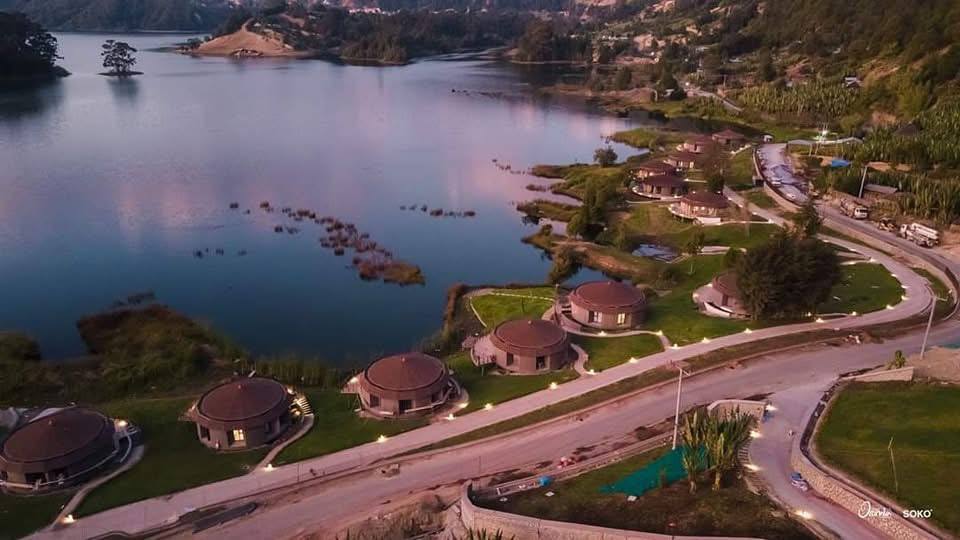
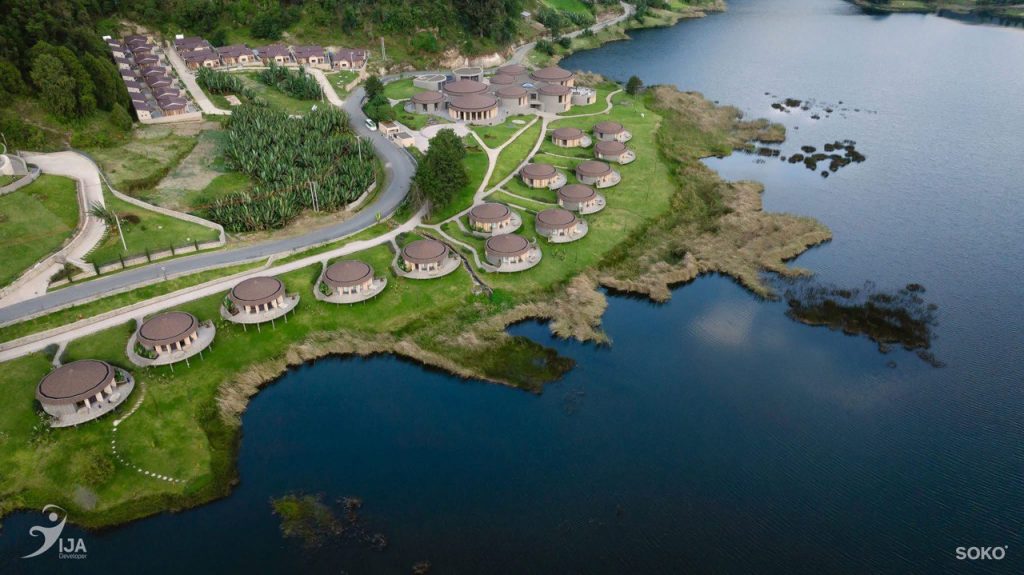
Wonchi Eco Resort — Sustainable Luxury at Wonchi Crater Lake
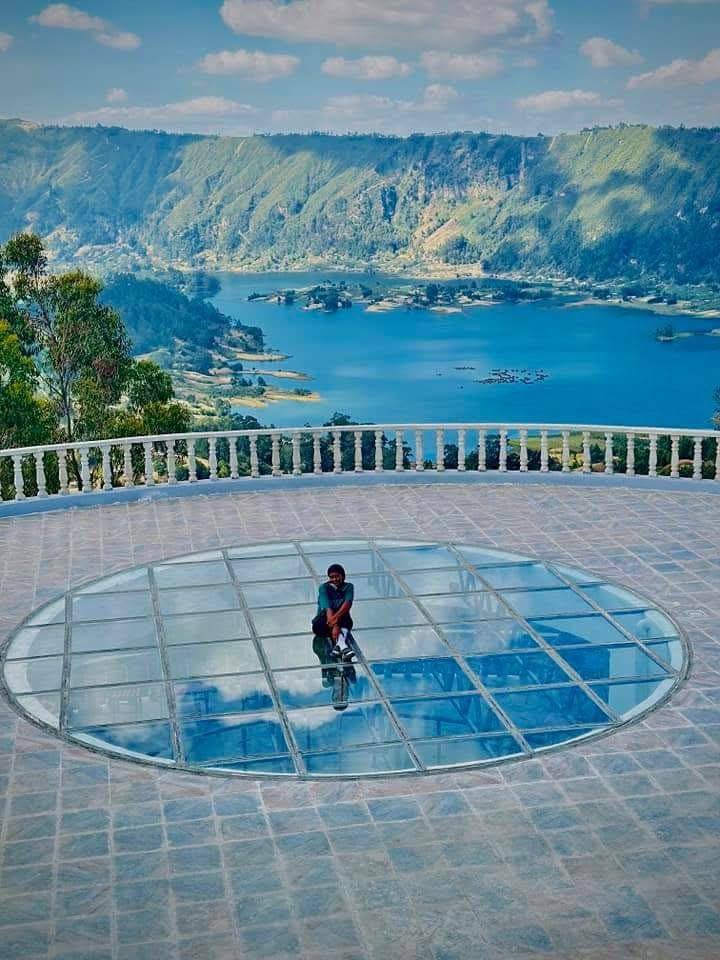
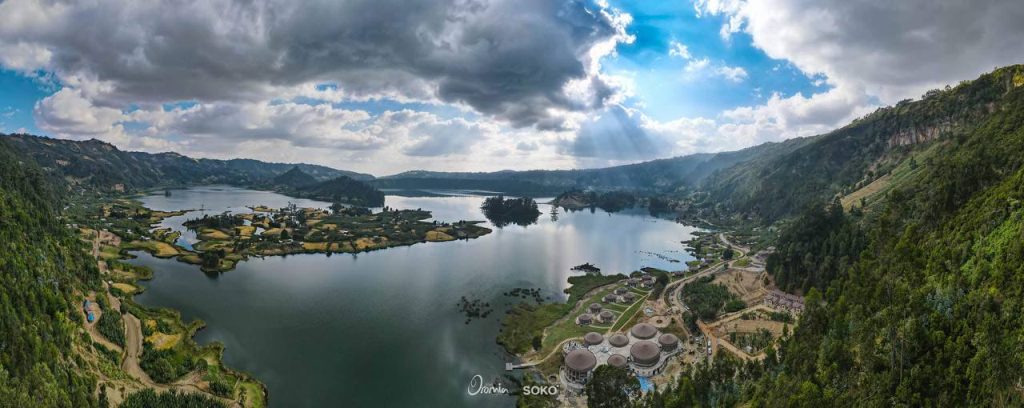
Located around one of Ethiopia’s most scenic volcanic lakes, Wonchi Eco Resort offers a rare combination: ecological responsibility with genuine comfort.
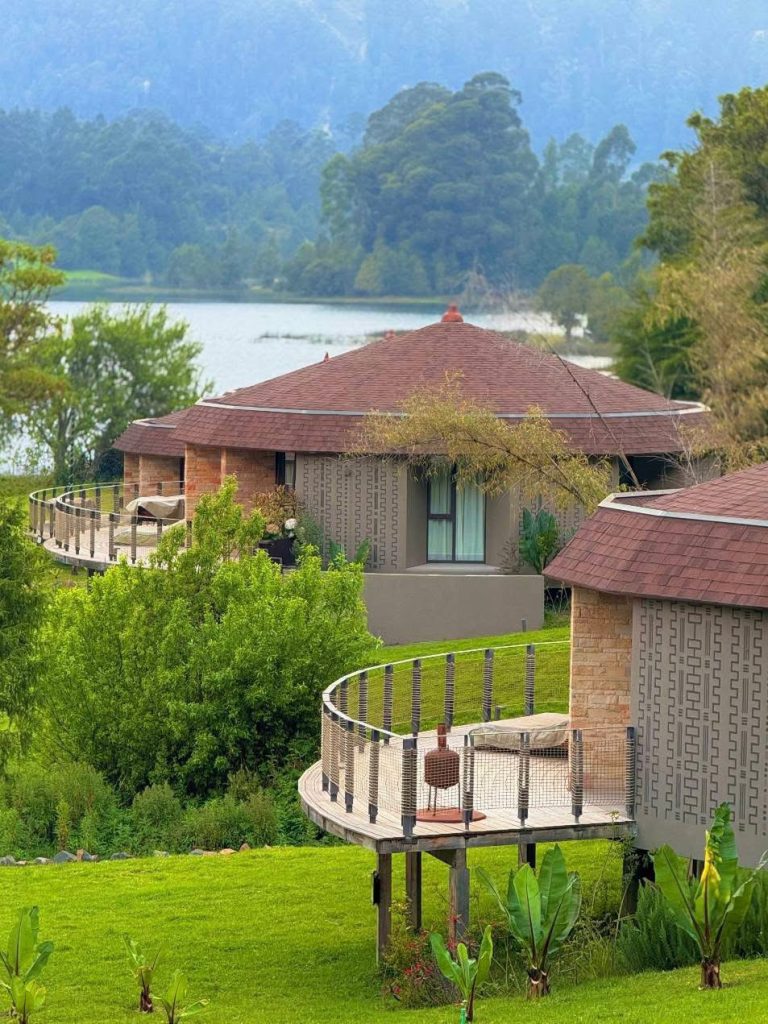
Reaching the lake is part of the experience. Visitors walk or ride horses down forested slopes before arriving at calm waters surrounded by high crater walls. Instead of isolating guests from nature, the resort integrates them into it — cottages built from local materials, quiet paths through trees, and boats crossing to monastery islands.
Here, luxury is defined by immersion rather than excess. After hiking or exploring, guests return to warm meals and comfortable lodgings, turning outdoor adventure into restorative relaxation.
Best suited for: nature lovers, eco-tourists, and travelers seeking active yet peaceful stays.
Gorgora Resort — Lakeside Elegance on Lake Tana
Gorgora Resort offers a different interpretation of luxury — one connected to history and water. Located on the shores of Ethiopia’s largest lake, the setting combines calm scenery with access to centuries-old island monasteries.
The rhythm of the stay follows the lake itself: soft mornings, reflective afternoons, golden sunsets. Architecture incorporates local stone and wood, maintaining regional identity while delivering modern comfort.
Guests typically alternate between relaxation and cultural exploration — boat excursions, birdwatching, and visits to religious sites.
Best suited for: travelers who want both comfort and meaningful exploration.
Halala Kella Resort — Cultural Architecture and Highland Grandeur
Halala Kella Resort focuses on heritage-inspired design. Instead of importing foreign aesthetics, it embraces Ethiopian forms — arches, elevated terraces, carved wooden details, and expansive viewpoints over the highlands.
Evenings often highlight traditional cuisine and cultural atmosphere, turning the stay into an educational experience without sacrificing relaxation.
The result feels less like visiting a hotel and more like inhabiting a modern interpretation of a historical residence.
Best suited for: culture-focused travelers and architecture enthusiasts.
Paw Dana Lodge — Quiet, Personal, and Intimate
Paw Dana Lodge demonstrates that luxury doesn’t always require scale. Smaller and more personal than most resorts, it prioritizes warmth and atmosphere.
Guests frequently spend time outdoors with coffee, slow meals, and attentive service. The environment encourages conversation, rest, and reading rather than scheduled entertainment.
Because of its intimate nature, it appeals especially to couples or visitors avoiding crowded destinations.
Best suited for: romantic getaways and peaceful short retreats.
Haik Logo Resort — Tranquility Near Lake Hayk
Situated near a historically significant lake surrounded by monasteries, Haik Logo Resort emphasizes calm and contemplation. Gentle winds across the water, fishermen’s routines, and distant religious sites create a reflective environment.
Activities remain simple — lakeside walks, boat rides, sunrise watching — reinforcing the sense of slow travel.
The stay feels spiritual without being formal, making it ideal for those wanting rest rather than entertainment.
Best suited for: reflective travelers and quiet retreats.
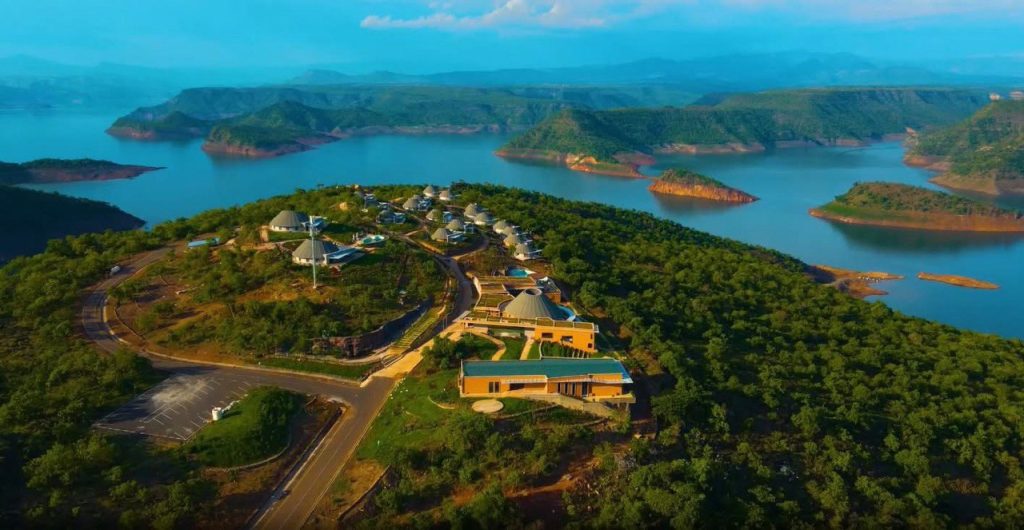
Shebele Resort — Modern Comfort in a Natural Setting
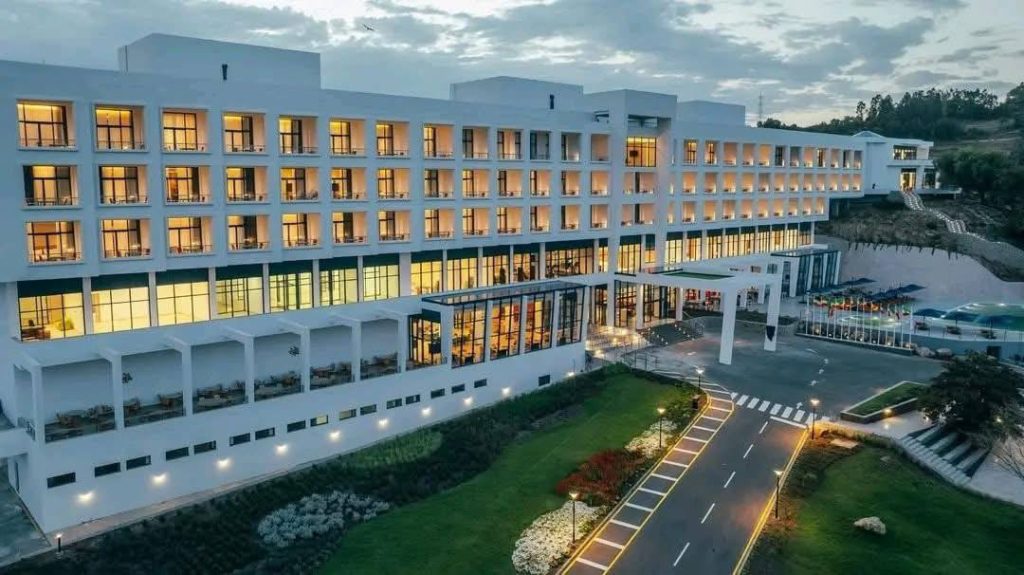
Shebele Resort provides a more contemporary experience compared to others on the list. Clean interiors, refined dining, and well-structured amenities appeal to visitors accustomed to urban comfort but seeking a change of scenery.
Rather than complete remoteness, it balances accessibility with relaxation, offering short excursions alongside leisure facilities.
Best suited for: weekend escapes and comfort-oriented travelers.
Final Perspective
Luxury tourism in Ethiopia follows a different philosophy than typical resort destinations. Instead of artificial attractions, it relies on authenticity:
- Silence over noise
- Landscape over decoration
- Culture over performance
- Experience over entertainment
Each resort reflects a distinct form of escape:
- Beynuna: solitude and mental reset
- Wonchi: eco-adventure immersion
- Gorgora: history and lakeside elegance
- Halala Kella: heritage living
- Paw Dana: intimate comfort
- Haik Logo: spiritual calm
- Shebele: modern relaxation
Together they show a growing travel trend — visitors are no longer just sightseeing Ethiopia. They are learning to stay, slow down, and experience it.